
The Secrets Fireflies Hold
Tiny lights, ancient signals, and what they reveal about the natural world
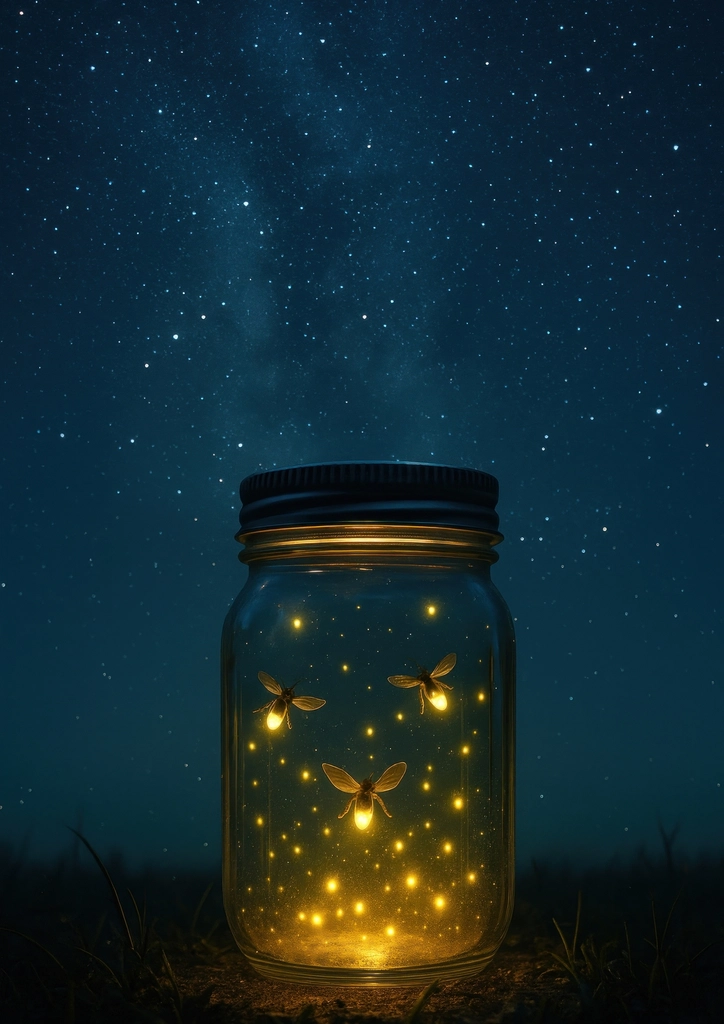
On warm summer evenings, when the air is still and the earth holds the day’s heat, small flickers begin to appear along riverbanks and in the shadows of trees. Fireflies—quiet, unassuming by day—become something else entirely after dusk.
They are not just insects. They are signals, indicators, hunters, and survivors. And the light they carry holds more secrets than most realise.
A Language Written in Light
The first secret of fireflies is that their glow is not random—it is a language.
Each species carries its own pattern: a rhythm, a pulse, a timing that acts as a signature. Males drift through the air sending coded flashes, while females wait below, responding only to the correct sequence. To us, it looks like scattered light. To them, it is precise communication.
In some species, this language becomes deception. Certain females mimic the signals of other fireflies, luring unsuspecting males closer—not to mate, but to hunt. Even in something as delicate as light, there is strategy.
The Secret Life Beneath Your Feet
Most of a firefly’s life is never seen.
Long before they glow, they live hidden in soil, under leaves, or along damp river edges. As larvae, they are efficient predators—feeding on snails, slugs, and other soft-bodied creatures. They shape the ecosystem quietly, controlling populations and maintaining balance.
This stage can last years. The glowing adult we notice exists only briefly, just long enough to reproduce.
The light we admire is the final chapter of a much longer, invisible story.
Light Without Heat
Fireflies produce one of the most efficient forms of light known in nature.
Unlike a flame or a bulb, their glow generates almost no heat. This “cold light” is the result of a precise chemical reaction inside their bodies, converting energy directly into light with minimal waste.
It is so efficient that scientists study it to improve human technology—from medical imaging to energy-efficient lighting.
Nature solved a problem we are still trying to perfect.
Timekeepers of the Evening
Fireflies follow strict natural rhythms.
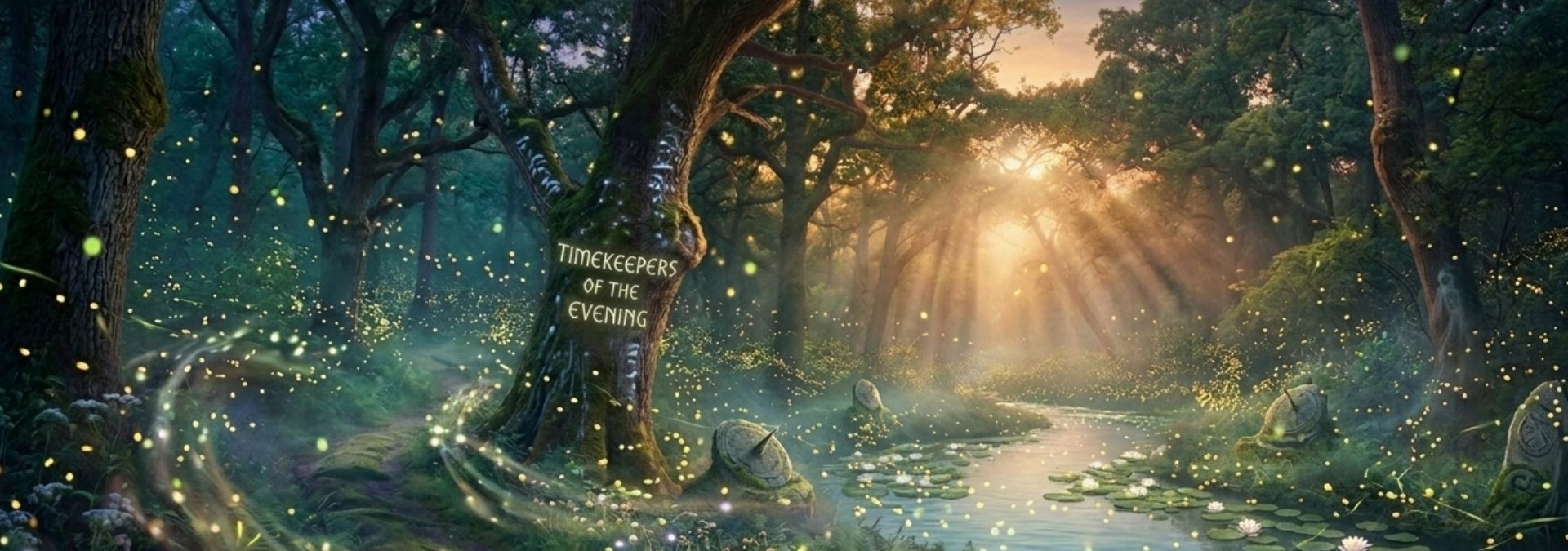
Some appear only for a short window—20 to 30 minutes at dusk—while others wait for full darkness. Their activity depends on temperature, humidity, and even wind. A warm, still night can bring an entire landscape to life with light.
Their presence is not constant. It is conditional.
Which makes every sighting feel rare, even when it isn’t.
Guardians of Healthy Land
Perhaps the most important secret fireflies hold is what they reveal about the environment.
They thrive only where certain conditions exist:
- Clean water
- Moist soil
- Minimal disturbance
- True darkness
When fireflies disappear, it often signals that something in the ecosystem has changed. Too much artificial light can disrupt their communication. Pesticides can destroy their larvae. Dry, altered landscapes remove the habitats they depend on.
Their glow is more than beauty—it is an indicator of ecological health.
A Fading Light
Across the world, firefly populations are under pressure.
As landscapes become brighter and drier, their signals are lost in artificial light, and their habitats shrink. What once felt common is quietly becoming less so.
Yet in places where darkness is preserved and nature is allowed to breathe, they still return—year after year—following rhythms older than memory.
The Quiet Invitation
To see fireflies is to slow down.
They cannot be rushed or summoned. They appear when conditions are right—when the air is warm, the land is alive, and the night is allowed to be dark.
At River & Lily, where water moves gently through the landscape and the evenings settle into stillness, these small lights become part of something larger. Not a spectacle, but a reminder.
That even the smallest creatures carry complexity.
That light can be both signal and survival.
And that some of nature’s greatest secrets are only visible when you take the time to look.