GLOWING. FADING. GONE.
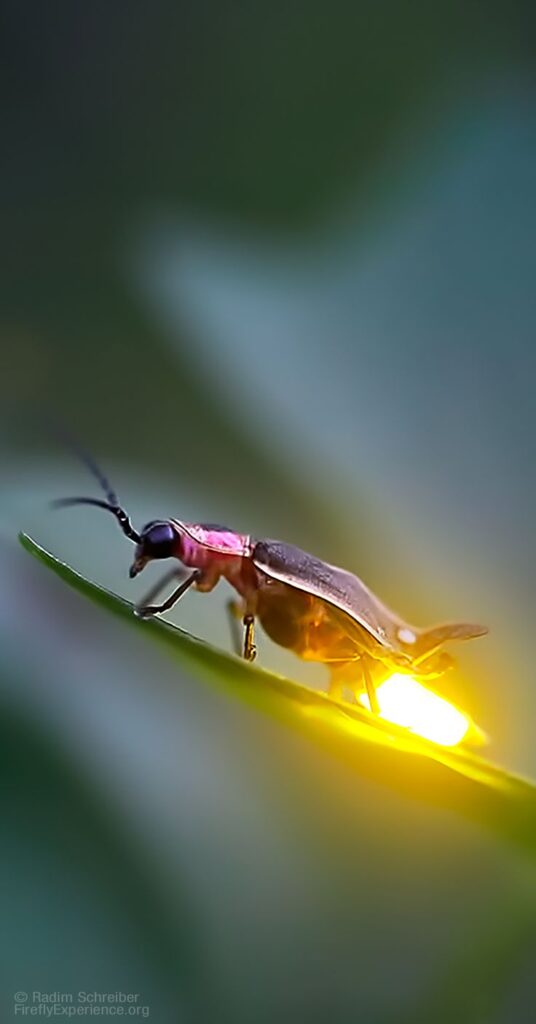
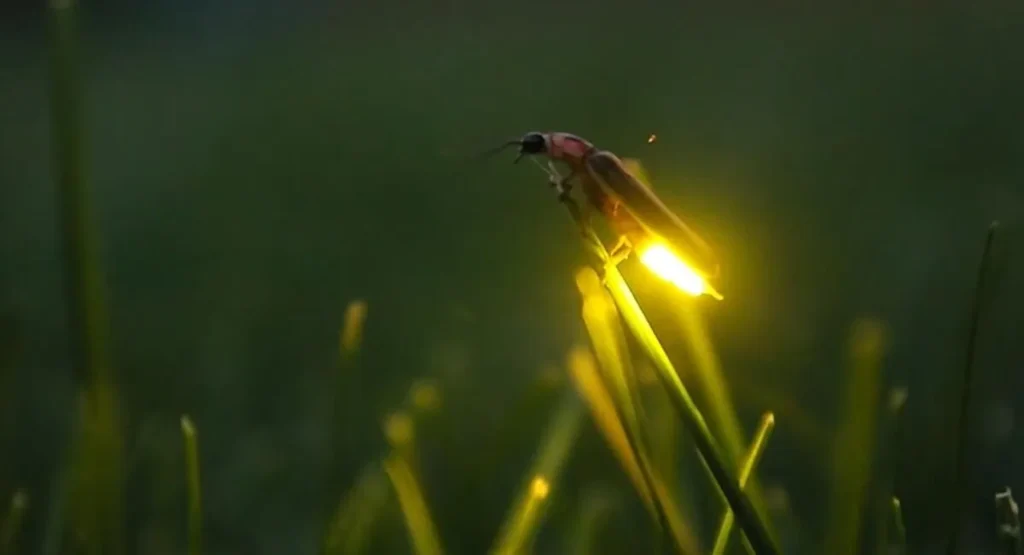
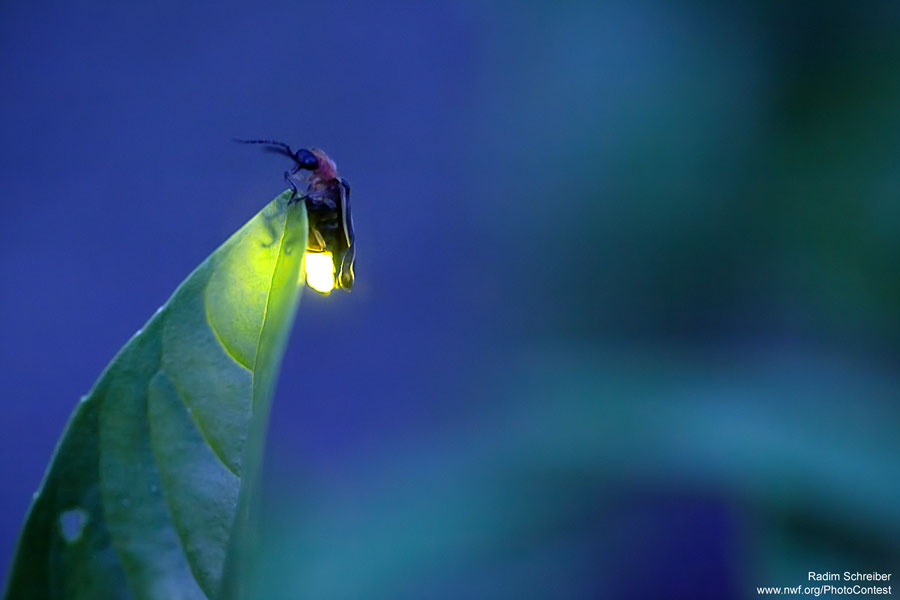
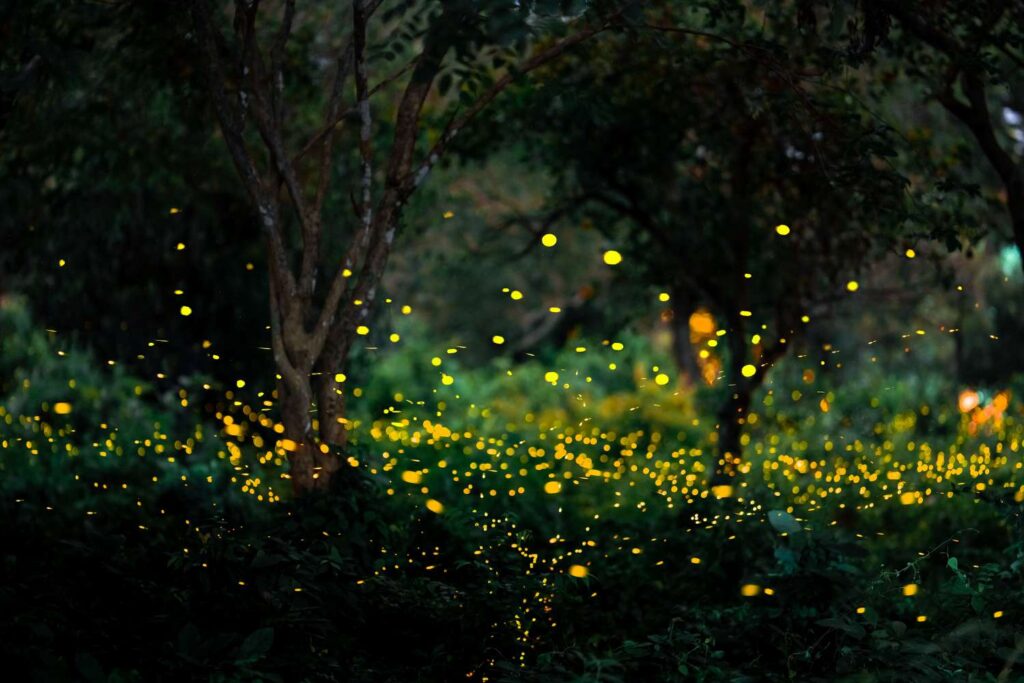
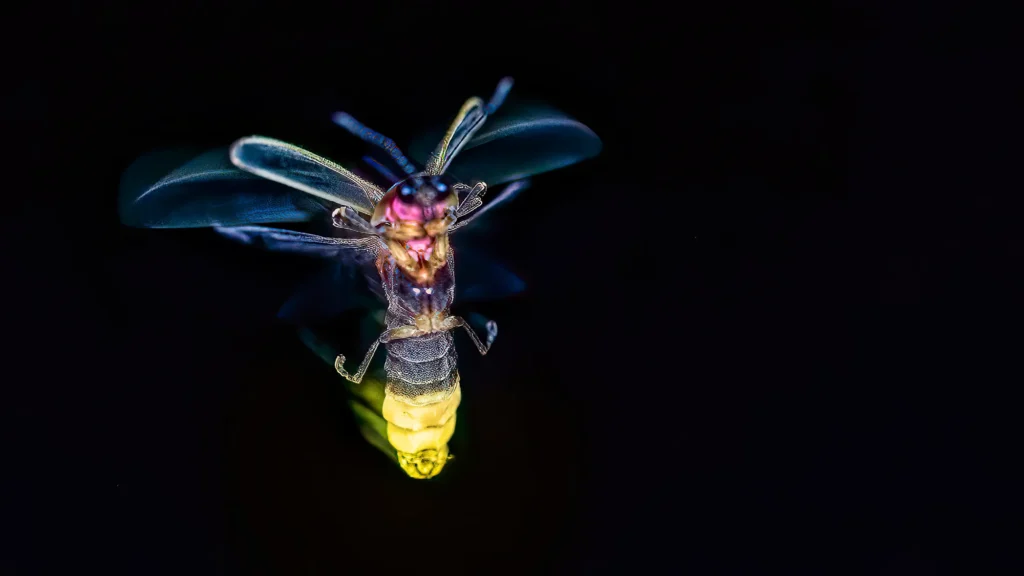
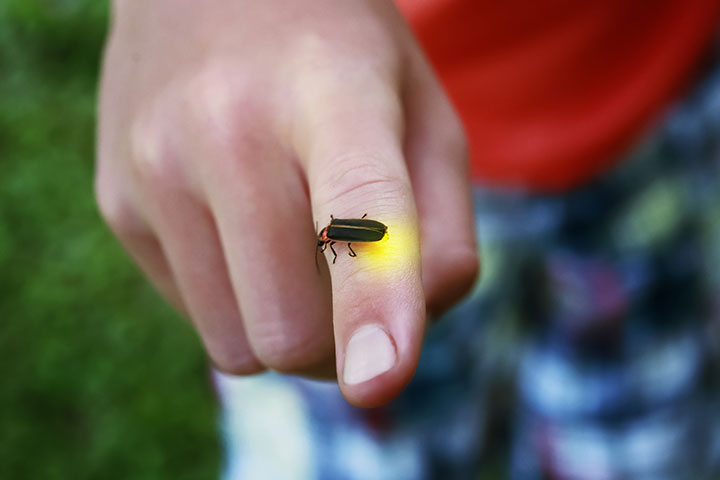
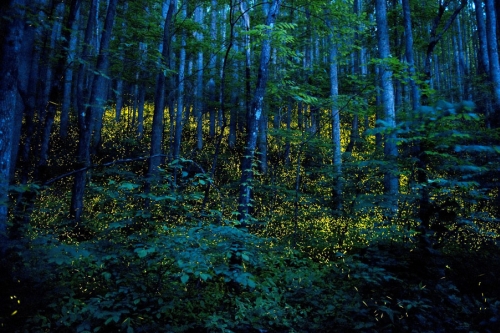
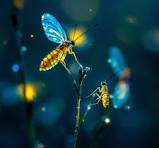
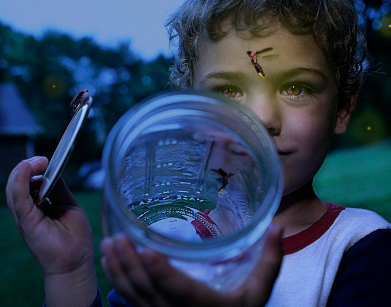
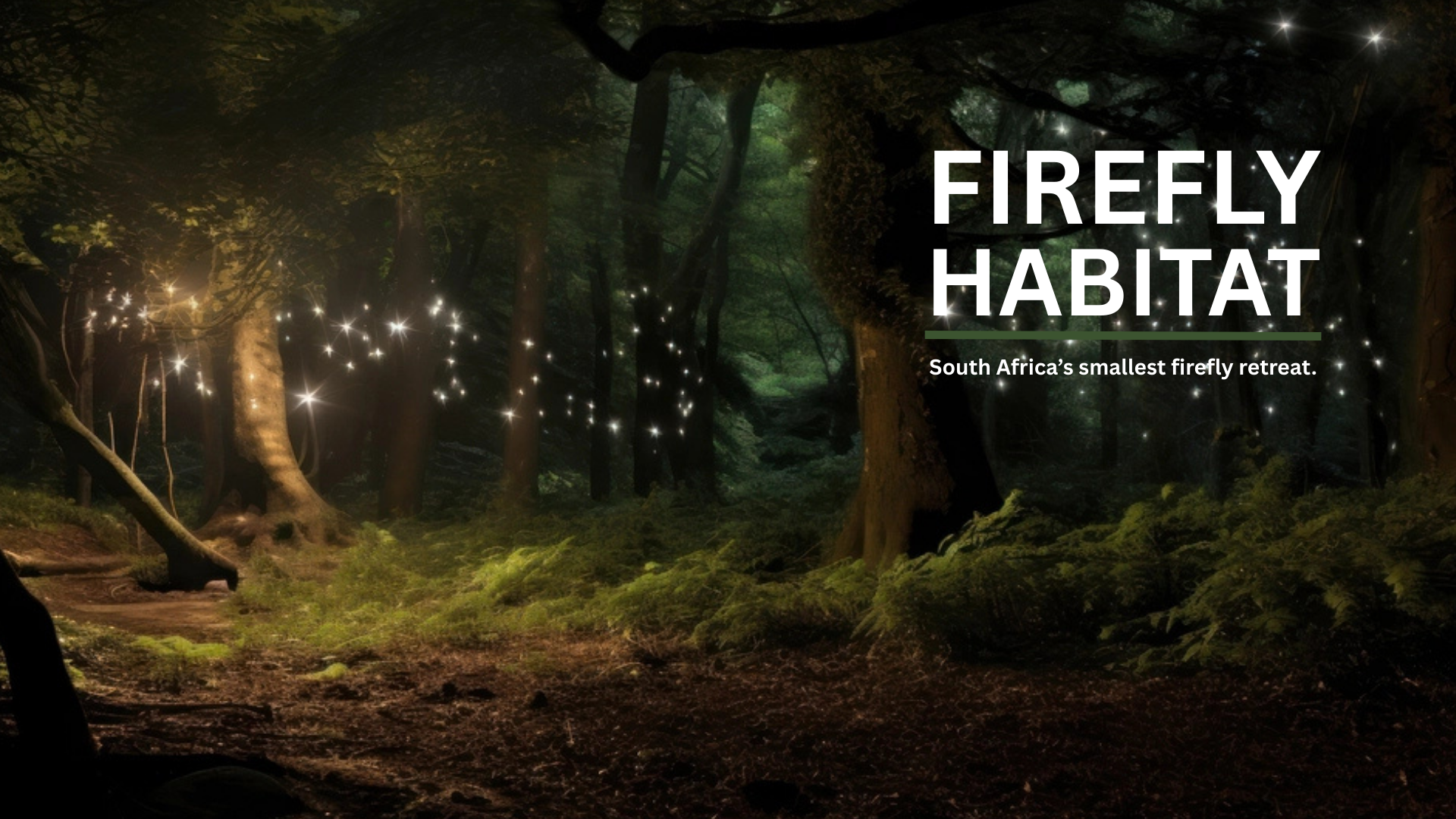
Fireflies once lit up our summer nights — tiny flashes of magic in our own backyards. Many of us grew up watching them, without ever imagining they could disappear. But they are.
Across Southern Africa — and around the world — firefly populations are declining rapidly, threatened by habitat loss, light pollution, and environmental change.
A place for those who care — and those who study
River & Lily Firefly Micro-Conservation exists to do two things: support the scientific study of fireflies, and protect the fragile ecosystems they depend on. Just as importantly, we shares a simple message: Fireflies need our help — now.
About the different types of Fireflies
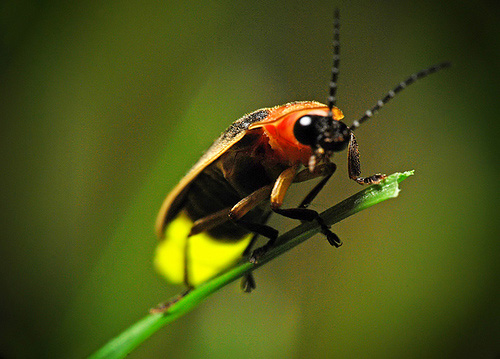
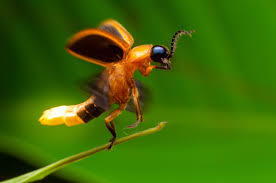
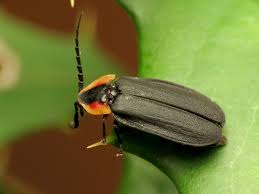
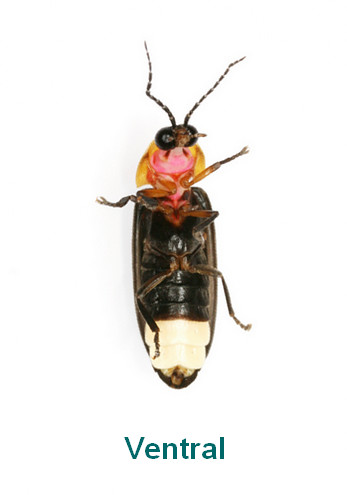
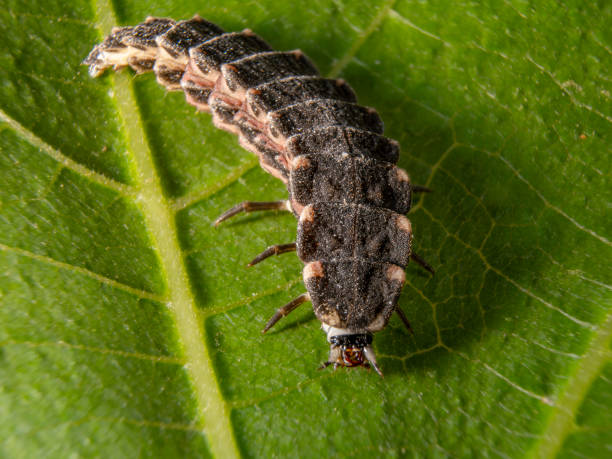
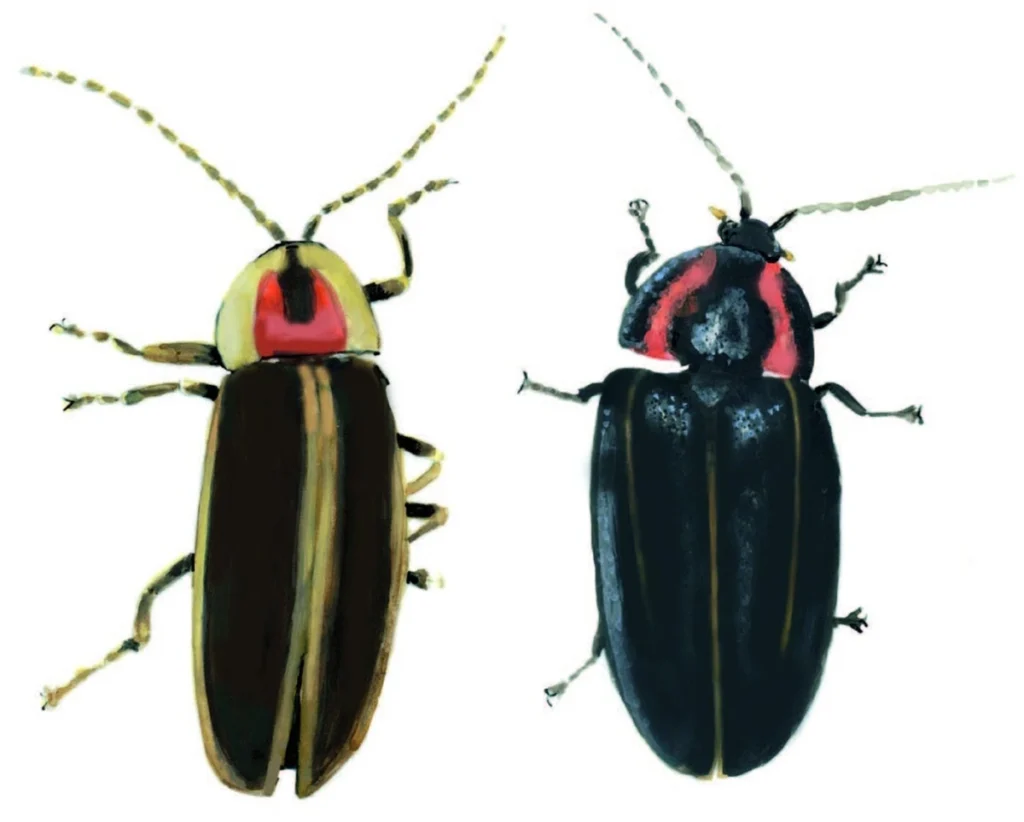
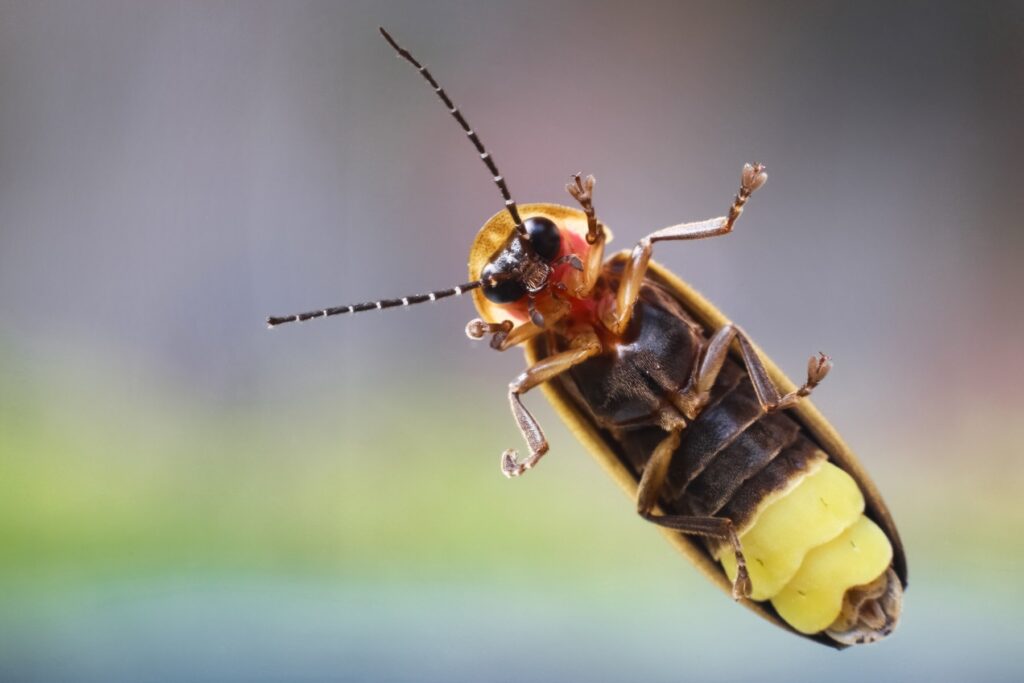
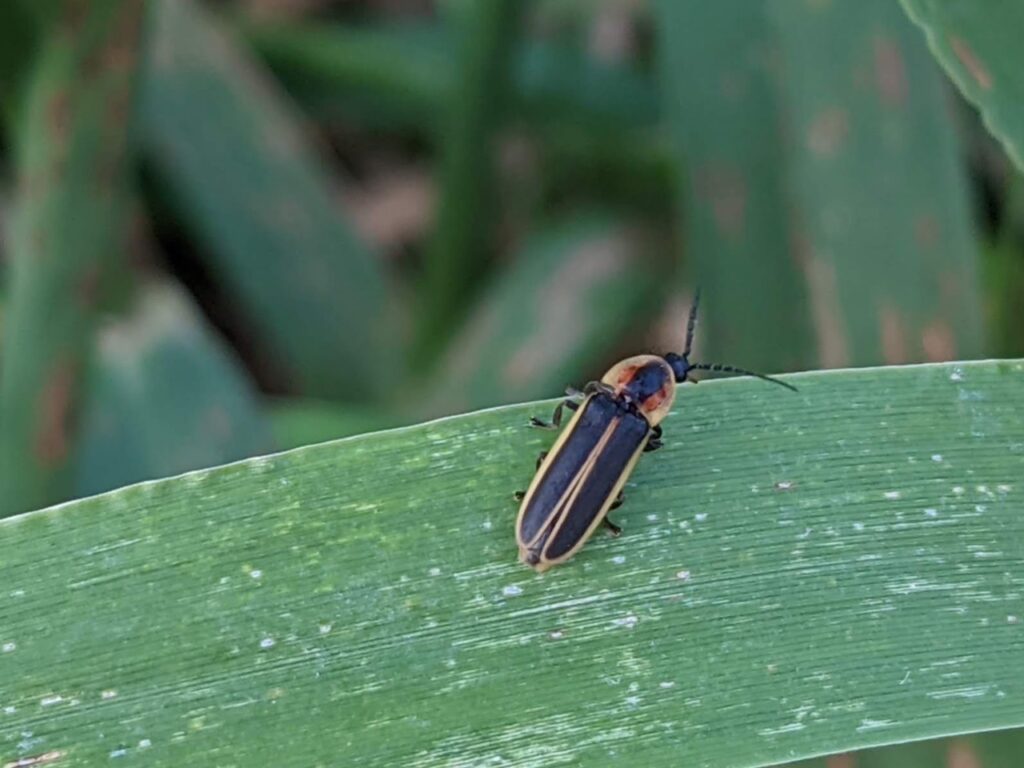
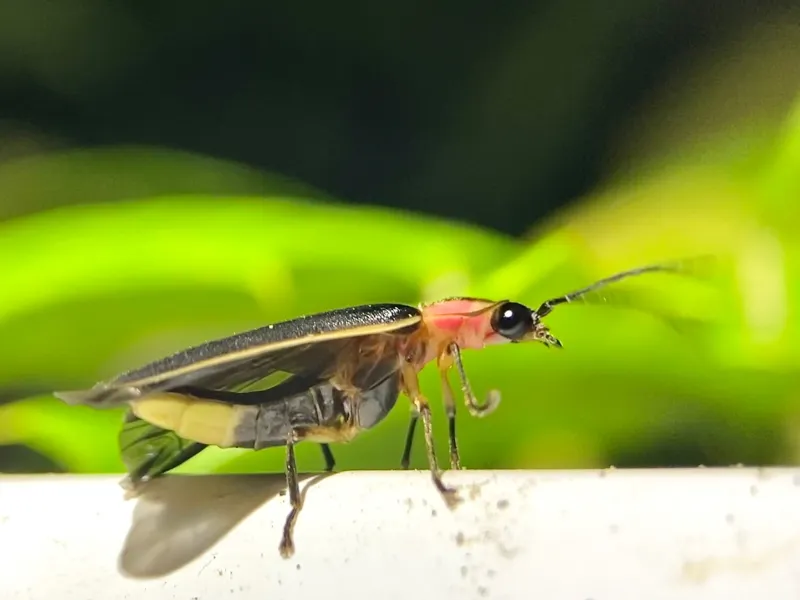
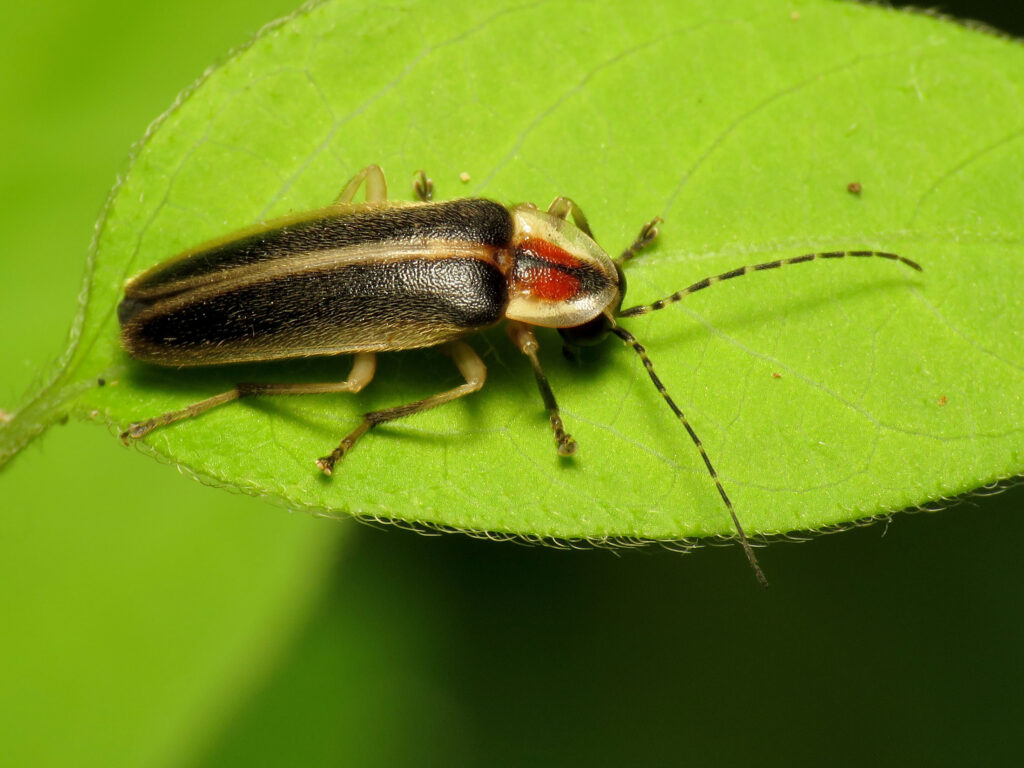
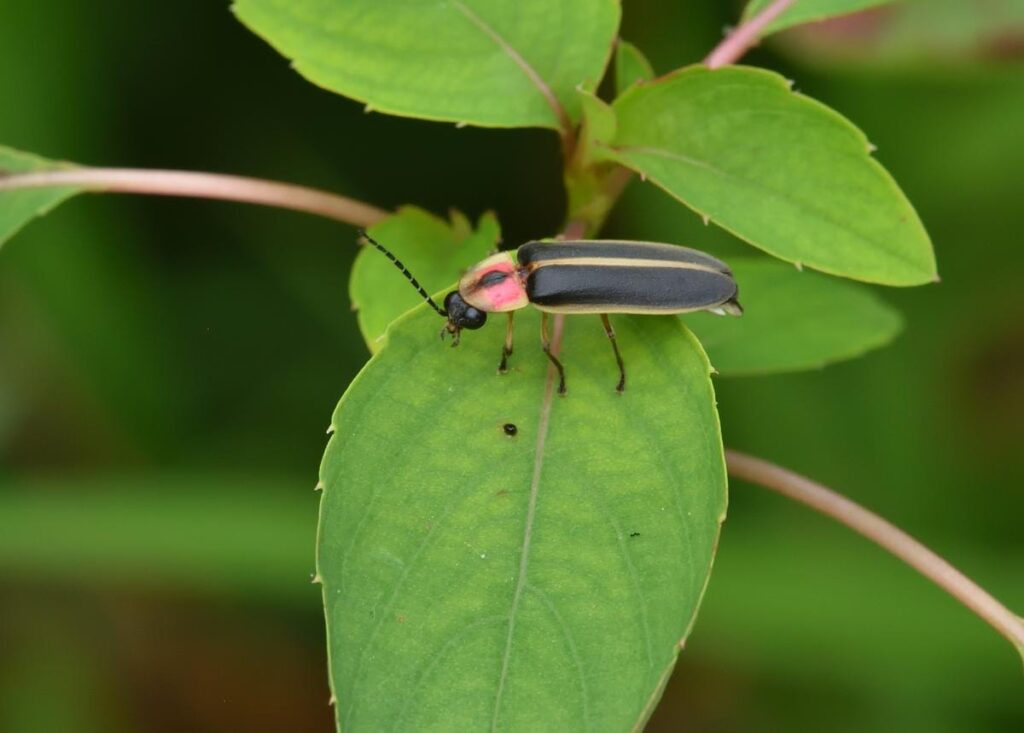
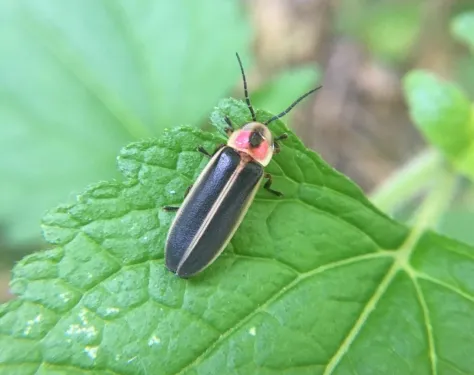
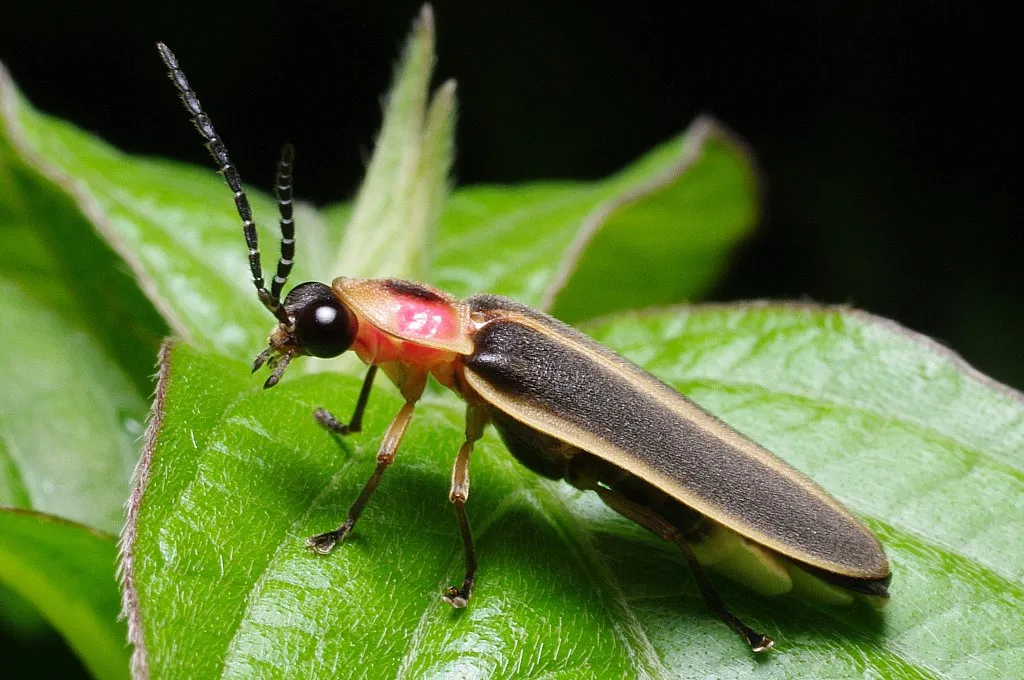
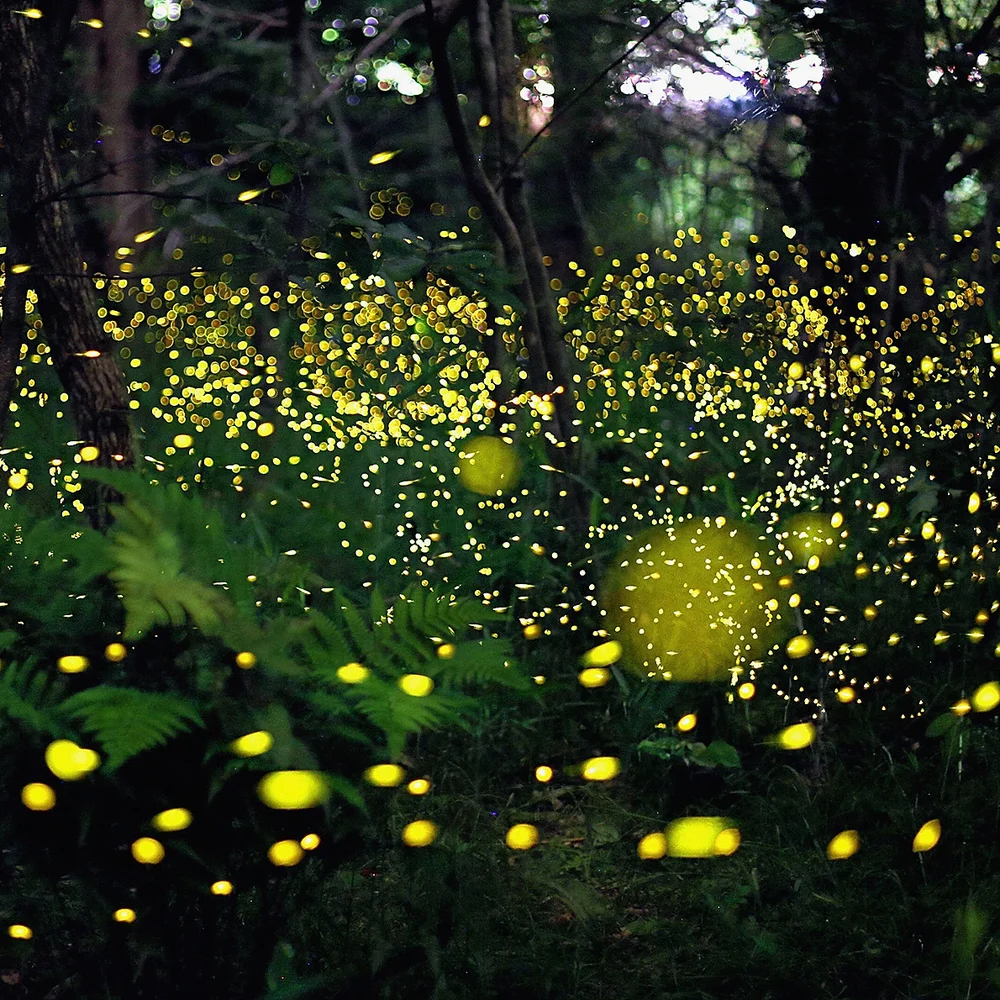
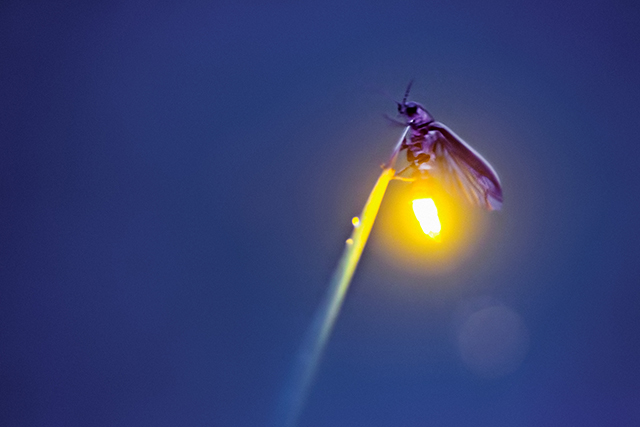
Fireflies are not all the same—there are thousands of species worldwide, each with its own unique patterns, habitats, and behaviours. Some produce bright, rhythmic flashes to attract mates, while others glow steadily or even mimic the signals of different species. In certain regions, fireflies synchronise their flashes in breathtaking displays, while others remain hidden in leaf litter, glowing faintly as larvae.
They thrive in diverse environments, from wetlands and forests to grasslands, but all depend on darkness, moisture, and healthy ecosystems. Learning about the different types of fireflies reveals just how complex and fragile these remarkable insects are—and why protecting their habitats is so important. Read More
SUPPORT OUR WORK
Please consider supporting our micro-conservancy with a donation. Your contribution helps us protect fireflies and bring conservation education to more people, ensuring these quiet lights continue to glow for generations to come.
FIREFLY FACT
Diversity of Species
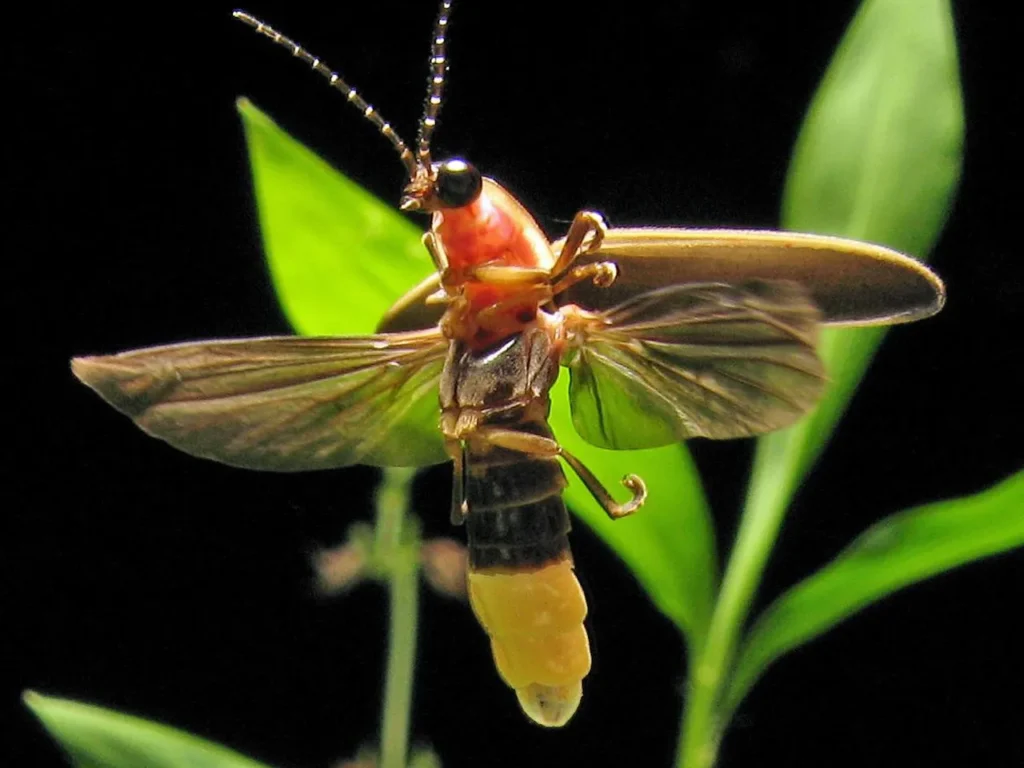
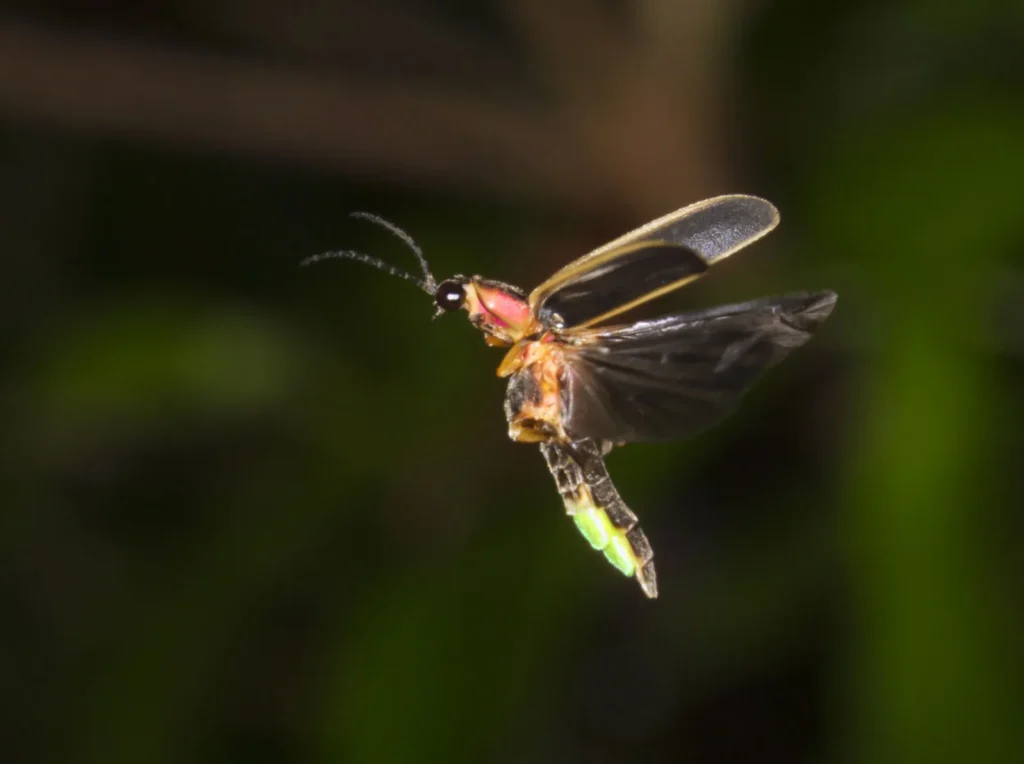
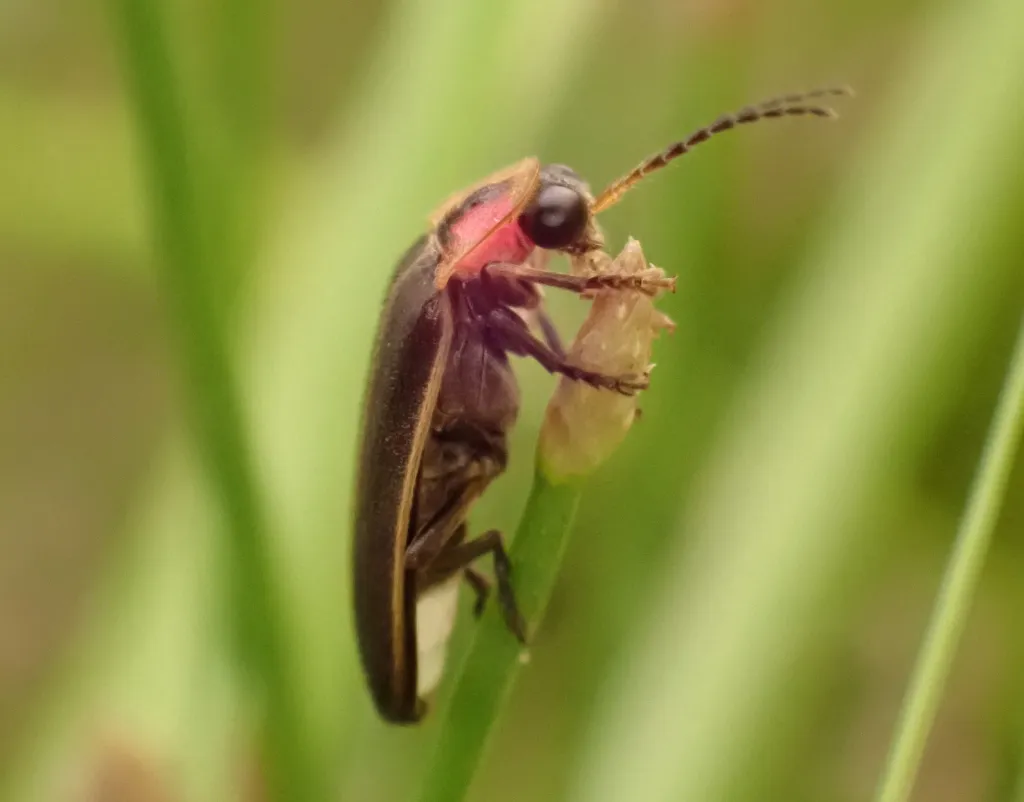
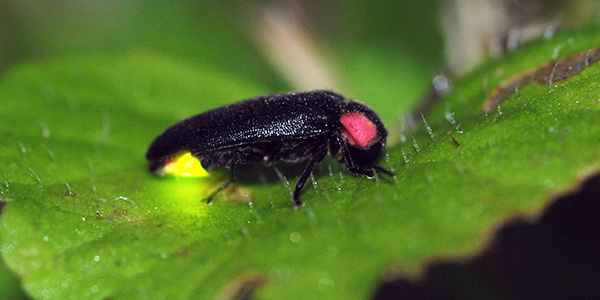
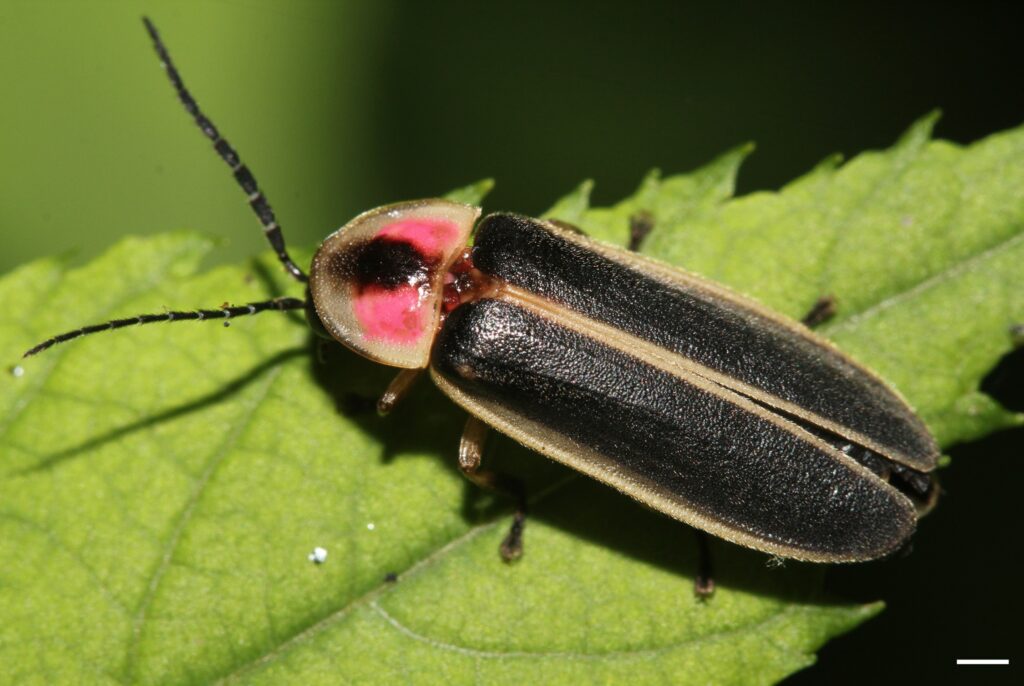
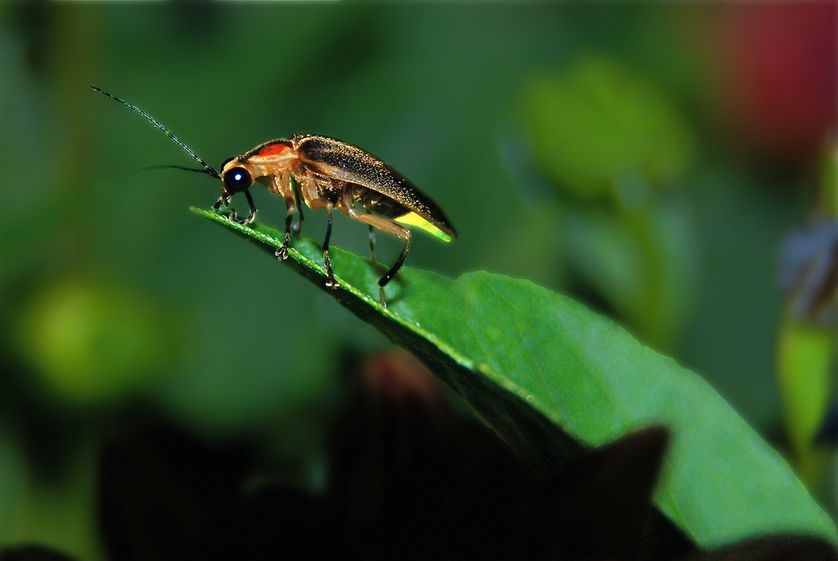
Fireflies belong to the Lampyridae family, with over 2,400 species recorded worldwide—and new ones still being discovered. Each species has its own unique light pattern, habitat, and behaviour, making every sighting something truly special.
FUN FACT
Why Do Fireflies Blink?
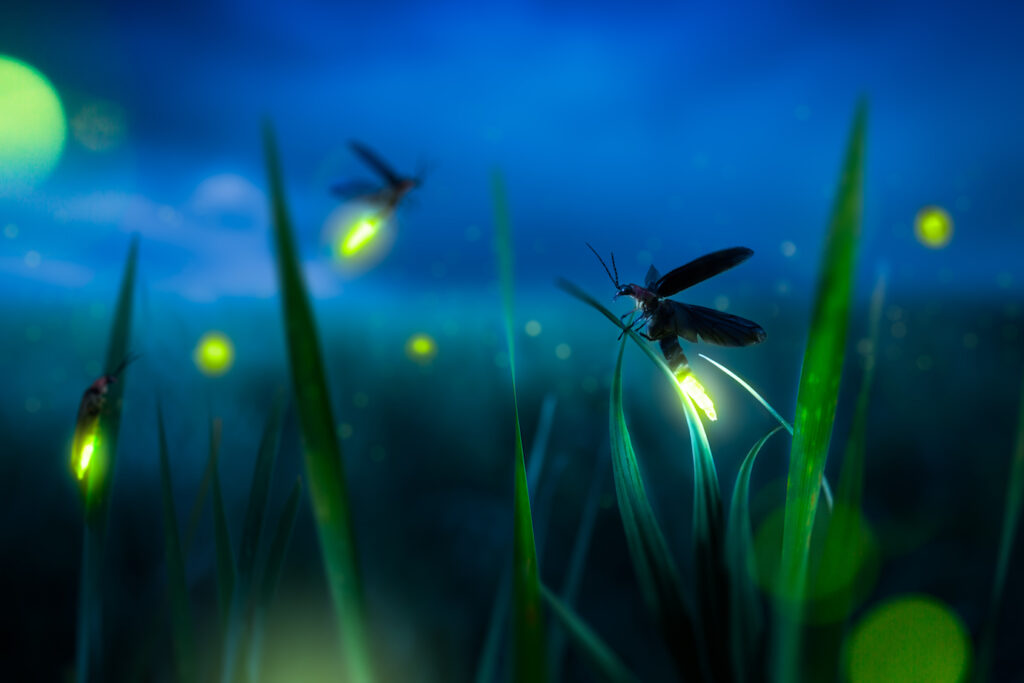
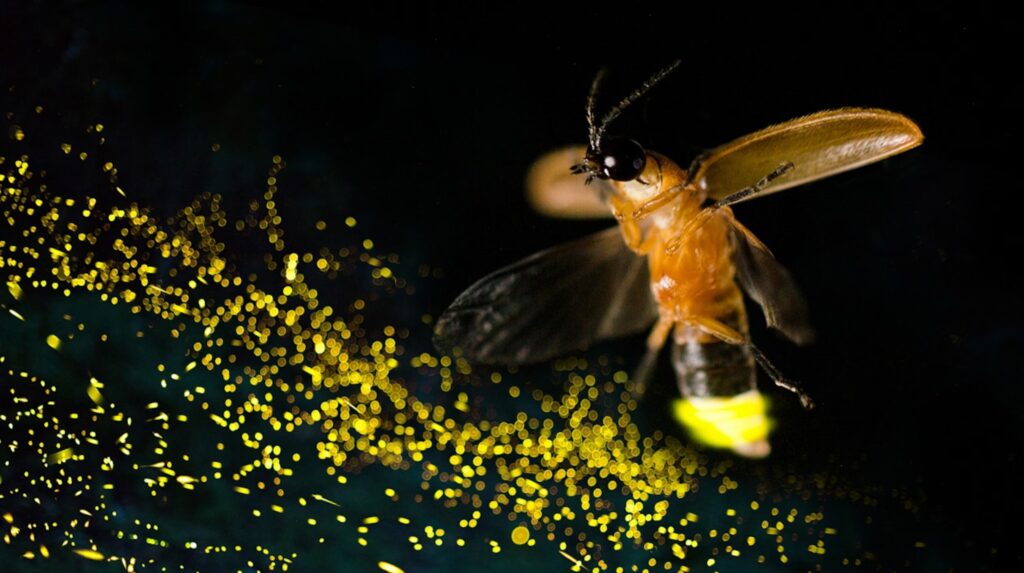
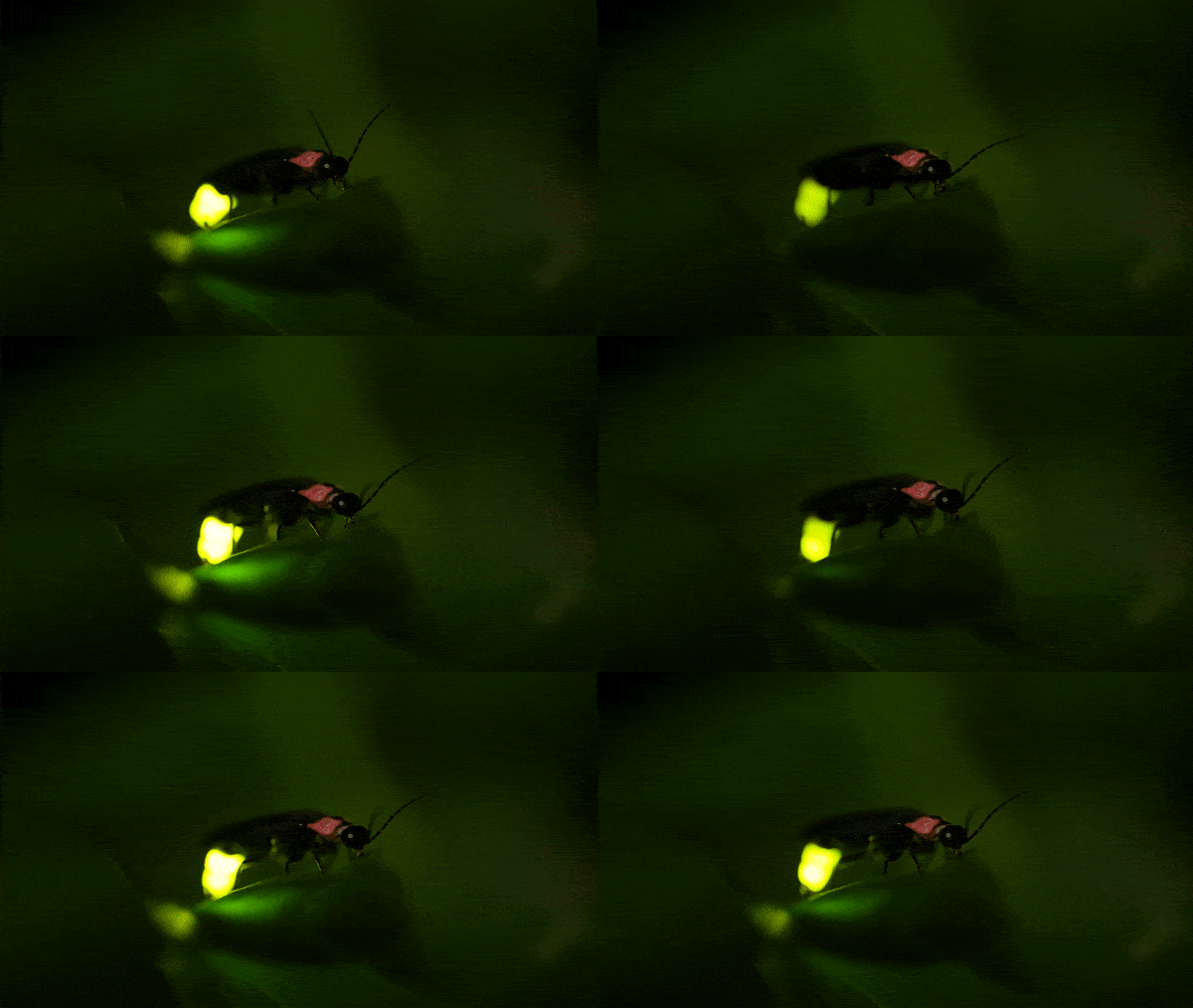
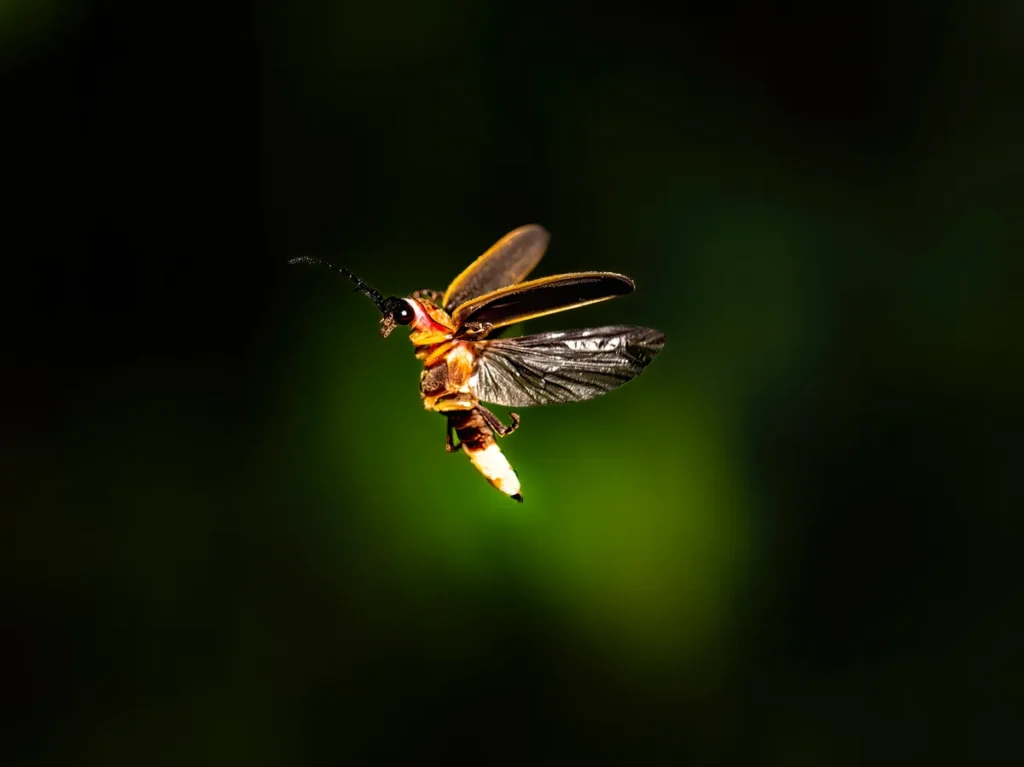
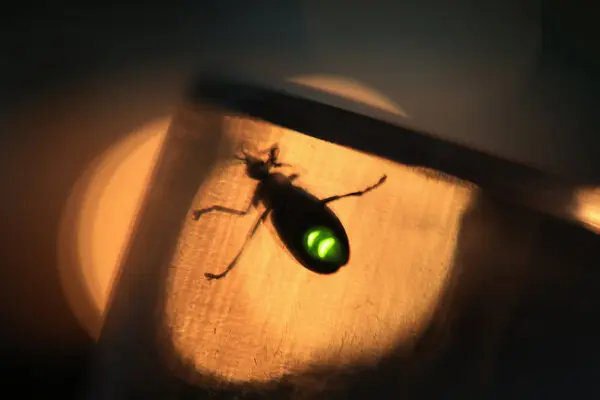
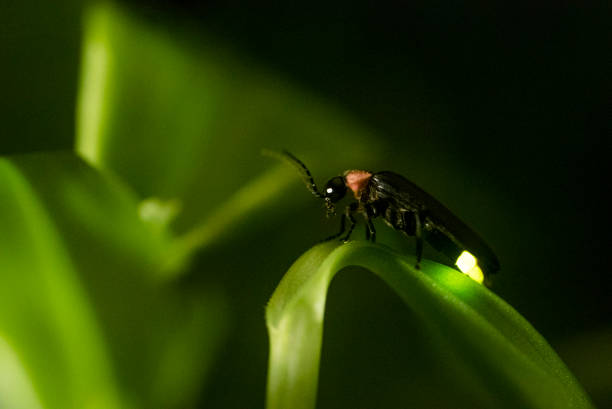
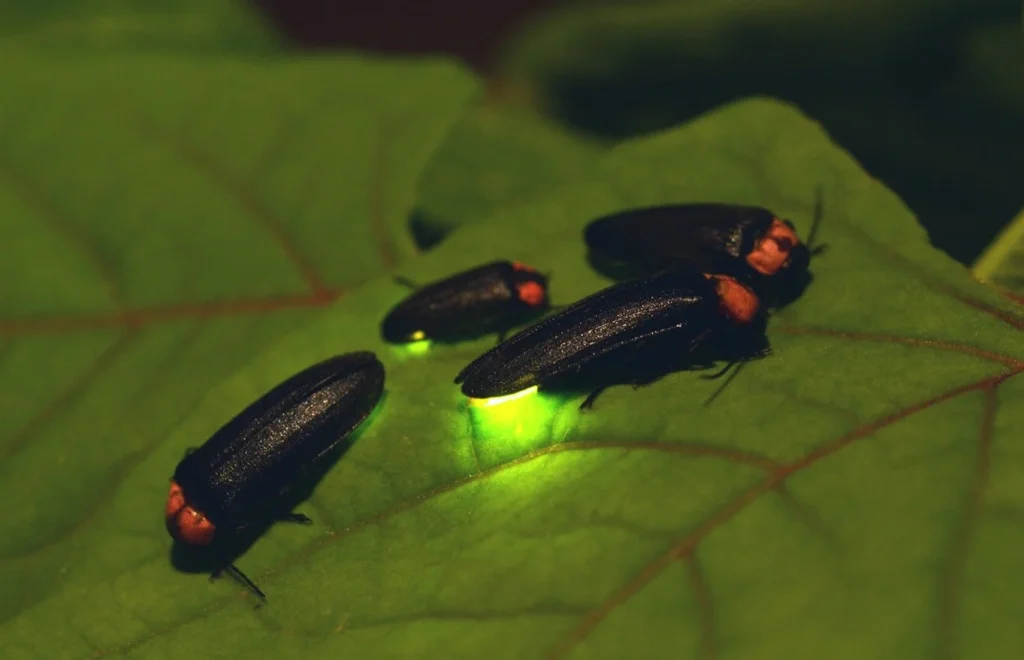
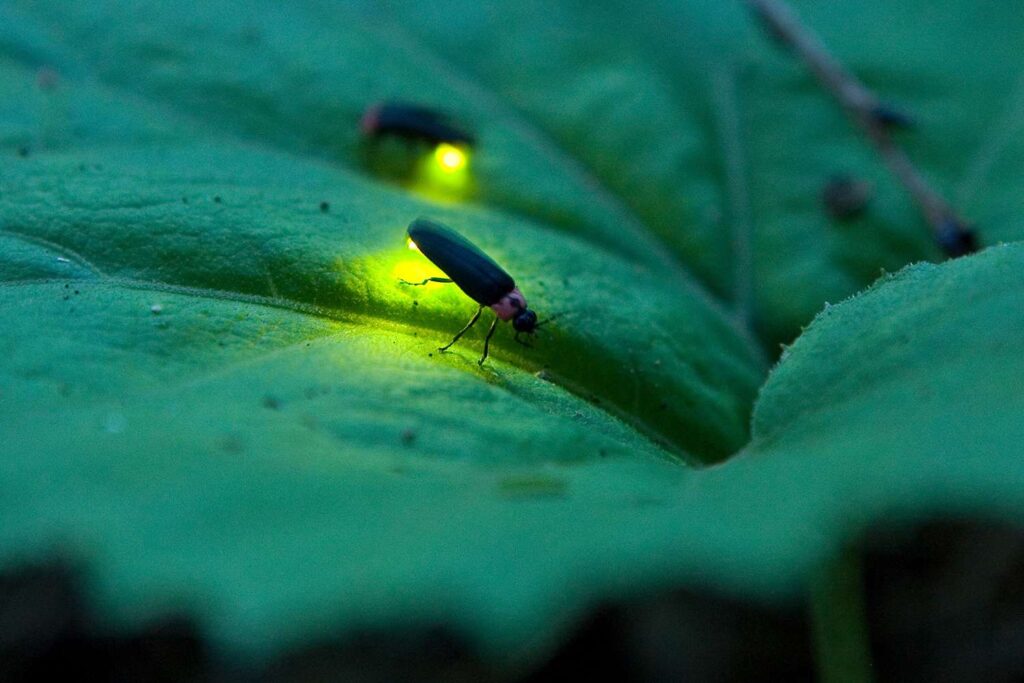
Fireflies use light to communicate. Each species has a distinct flash pattern, helping them find and identify potential mates. If you watch closely, you may begin to recognise these patterns—turning a simple sighting into something far more meaningful.
GET INVOLVED & STAY A NIGHT
Stay at River & Lily Micro Conservancy
Till the Soil Firefly Conservancy protects a small indigenous forest habitat where naturally occurring fireflies have been observed. Our goal is to preserve darkness, restore habitat, and document the local population while allowing a very small number of guests to experience the phenomenon responsibly. (Find out more)
FUN FACT
How Fireflies Make Light
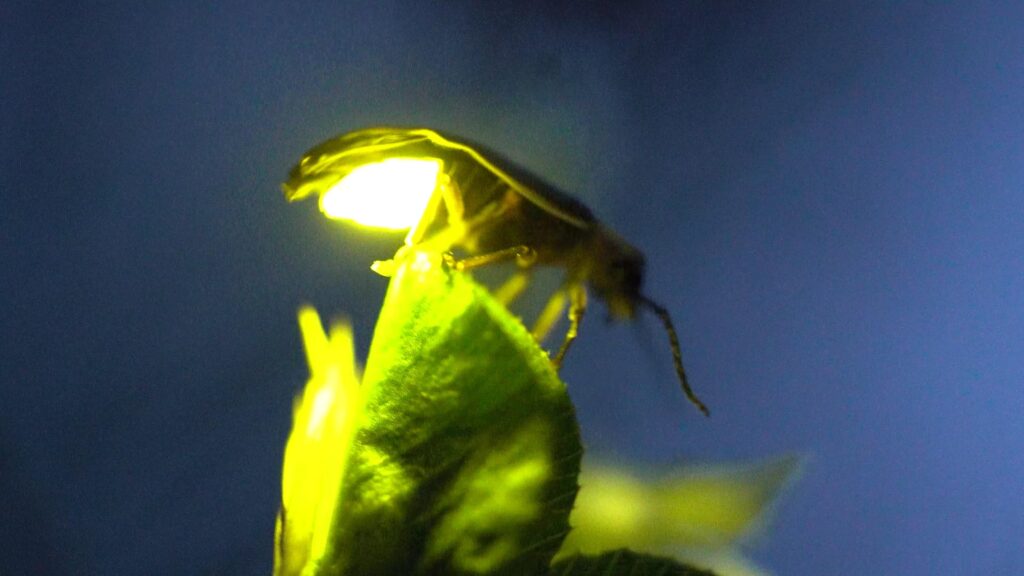
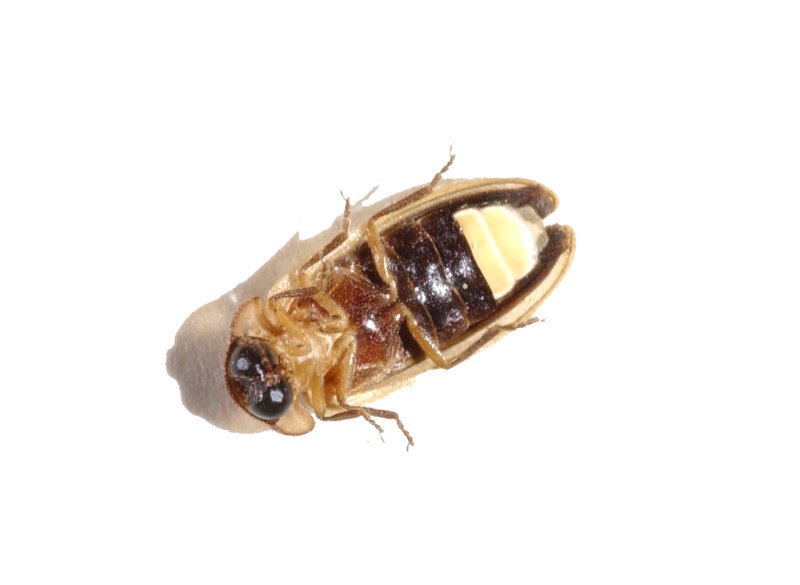
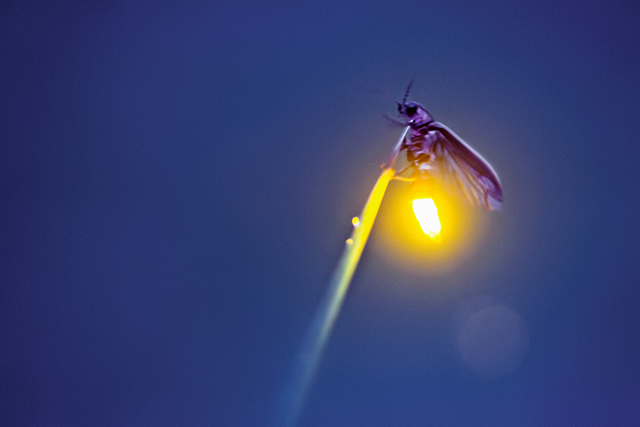
Fireflies produce light through a natural chemical reaction inside their bodies. This process involves luciferin, luciferase, and cellular energy (ATP), activated by oxygen. By controlling this reaction, they create the gentle, rhythmic glow we see at night—one of nature’s most remarkable signals.